Archive: Apr 2026
Is Your Check Valve Oversized for Your Application?
Comments Off on Is Your Check Valve Oversized for Your Application?Check Valve Oversizing: Why Bigger Valves Create Bigger Problems

Oversizing a check valve is one of the most common and costly mistakes made during valve selection. While it might seem safer to choose a larger valve, doing so can actually create a chain reaction of performance and reliability issues.
When a check valve is larger than the application requires, there often isn’t enough differential pressure to keep the disc fully open and stable. Instead of operating smoothly, the disc can begin to flutter, rapidly and repeatedly opening and closing due to flow-induced vibration. This constant movement places unnecessary stress on the valve’s internal components.
Over time, disc flutter causes wear on the disc, hinge, seat, and body. The result is shortened valve life, unexpected maintenance, and higher long-term costs. In more severe cases, oversizing can also contribute to noise, pressure surges, and even damage to downstream equipment.
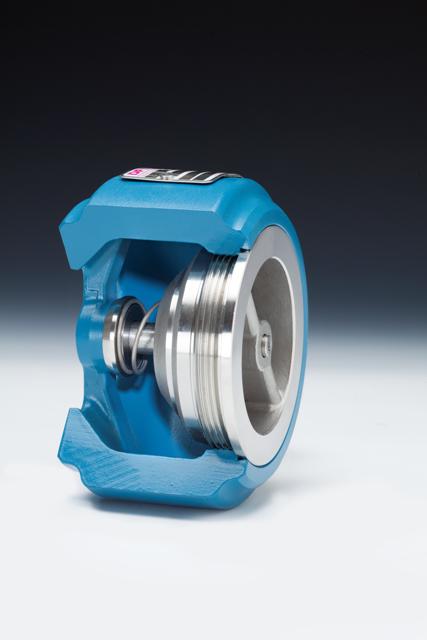
How Check Valves End Up Oversized
Most oversizing issues come from selecting a check valve based only on nominal pipe size. While pipe diameter matters from a mechanical standpoint, it doesn’t tell the full story of how a check valve actually behaves in service.
Unlike isolation valves, check valves depend on flow velocity and differential pressure to operate properly. When a valve is selected simply to match the pipe size, it may never reach its fully open position under normal operating conditions. That not only compromises performance, but also increases upfront costs as larger valves are more expensive to purchase, install, and maintain.
Size for the Application, Not the Line
A core principle of good check valve selection is simple: size the valve for the application, not the pipe. Proper sizing ensures that flow velocities are high enough to fully open the disc and keep it stable across all expected operating conditions.
Treating a check valve like an on/off valve ignores the fluid dynamics that govern its performance. When sized correctly, a check valve operates smoothly, minimizes chatter and delivers predictable pressure drop.
The real advantage is longer service life and reliable, predictable performance.
Application Factors That Matter
To determine the correct check valve size, several application specifications must be considered, including:
- Normal, minimum, and maximum flow rates
- How the flow behaves-steady, intermittent, or highly fluctuating
- Fluid properties such as density, viscosity, and compressibility
- Startup and shutdown conditions, where low or reversing flows are common
Systems with a wide range of flow conditions, often referred to as high turndown applications, present certain challenges. In these cases, a standard pipe-sized valve may be too large to remain stable at low flows. A smaller or sized check valve is often required to maintain adequate flow velocity and prevent flutter at full operating range.
Why Experience Matters in Valve Selection
An experienced check valve manufacturer or application engineer looks beyond pipe size alone. They evaluate flow conditions, operating scenarios, and valve dynamics-before making a recommendation.
Less experienced suppliers may default to pipe-matching practices, increasing the risk of oversizing and early failure. True subject-matter experts understand how valve geometry, flow behavior, and system demands interact, and they guide customers toward solutions that balance performance, reliability, and total lifecycle cost.
If you have questions about check valve sizing or want help evaluating your application, contact DFT to learn more about our DFT’s Check Valve Sizing Program.
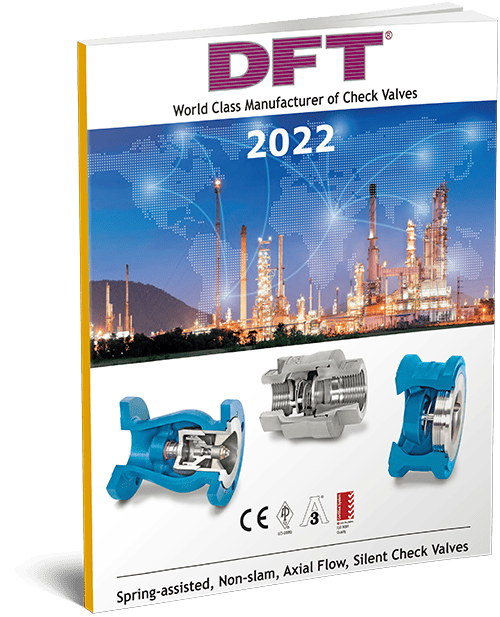
You can also download our Check Valve Sizing eBook or watch our DFT Sizing Webinar to learn more about proper selection practices.
You can also download our eBook on Check Valve Sizing from the link below: