Threaded Check Valves Guide
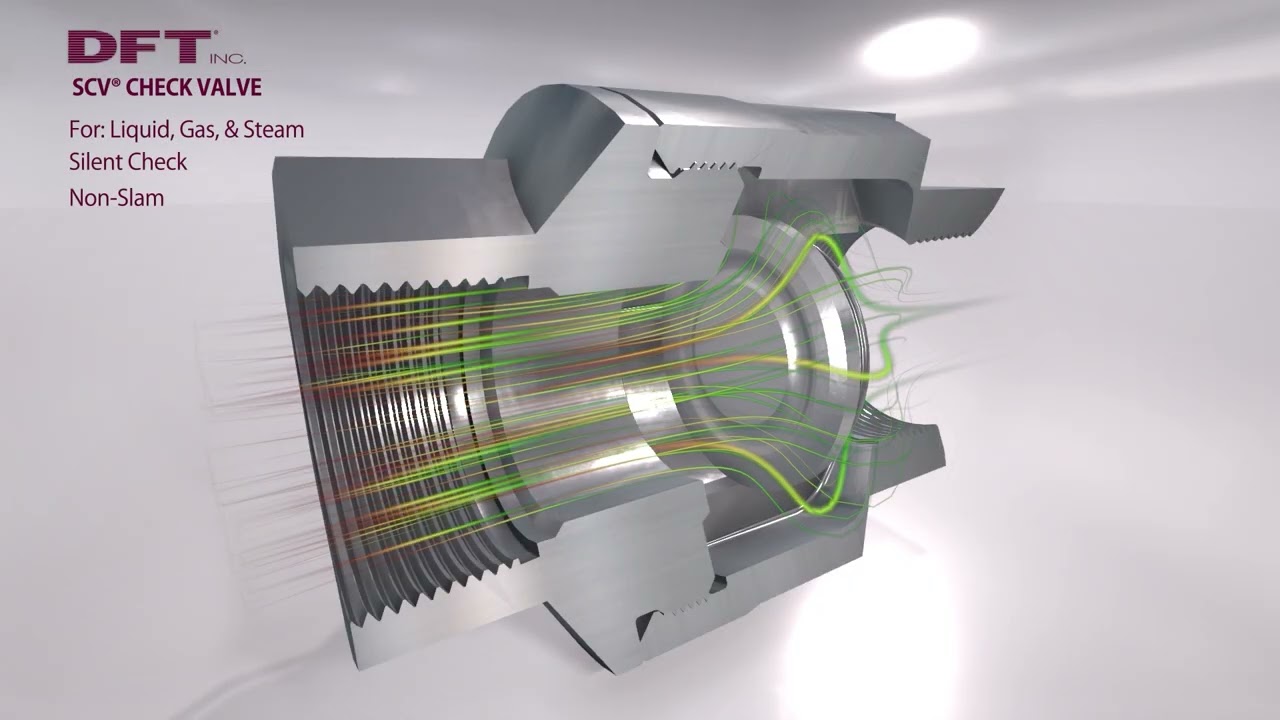
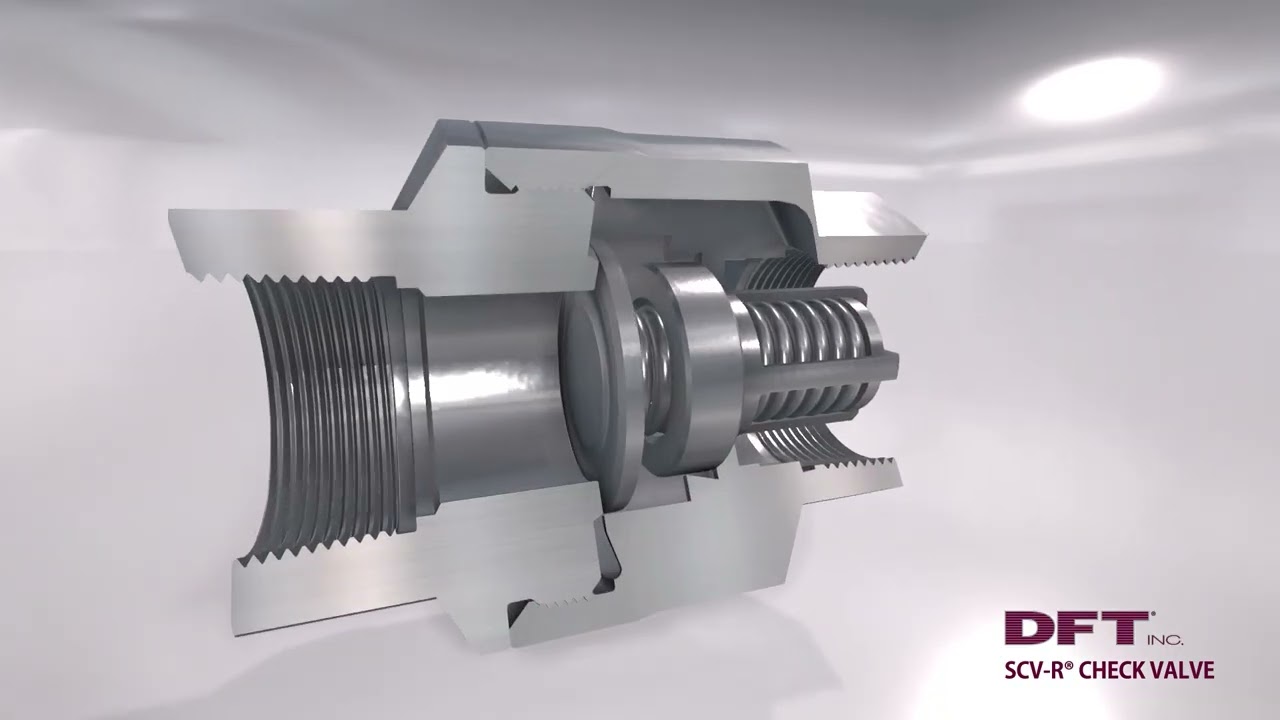
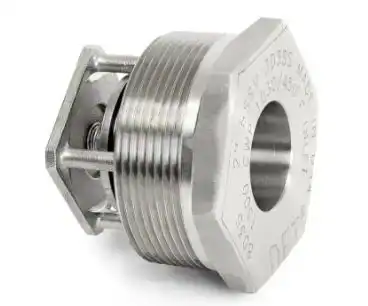
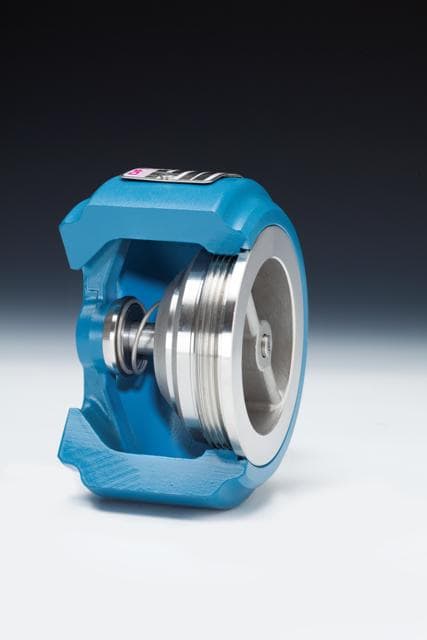
The DFT® SCV® Valve is a versatile all-purpose, non-slam valve that provides reliable, low-maintenance service for a wide range of liquids, steam and gases at various pressure/temperature.
Search by:
or
or
or

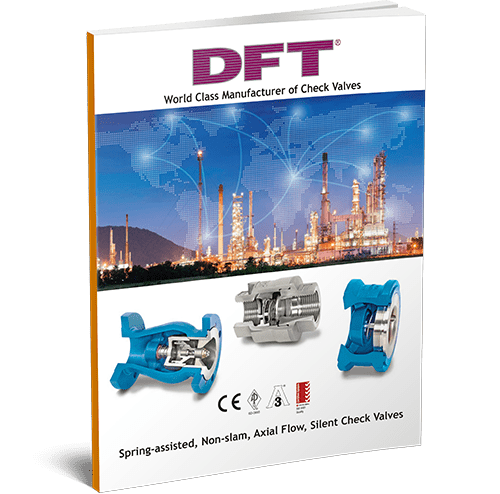
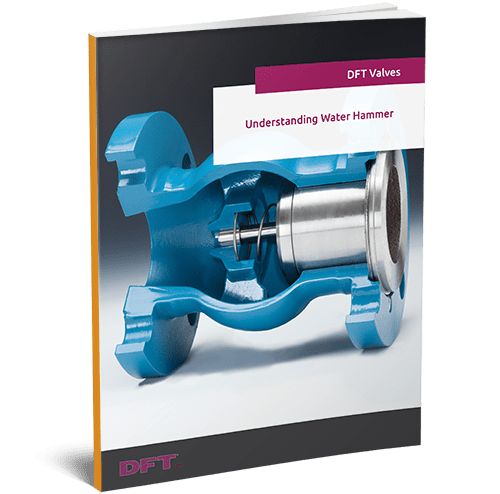
As a globally trusted check valve manufacturer, DFT® offers reliable solutions for eliminating water hammer problems and preventing flow reversal. Our Extensive product catalog includes many styles of spring-assisted in-line check valves.
The DFT® SCV® Valve is a versatile all-purpose, non-slam valve that provides reliable, low-maintenance service for a wide range of liquids, steam and gases at various pressure/temperature.
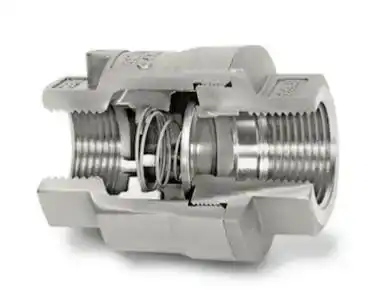
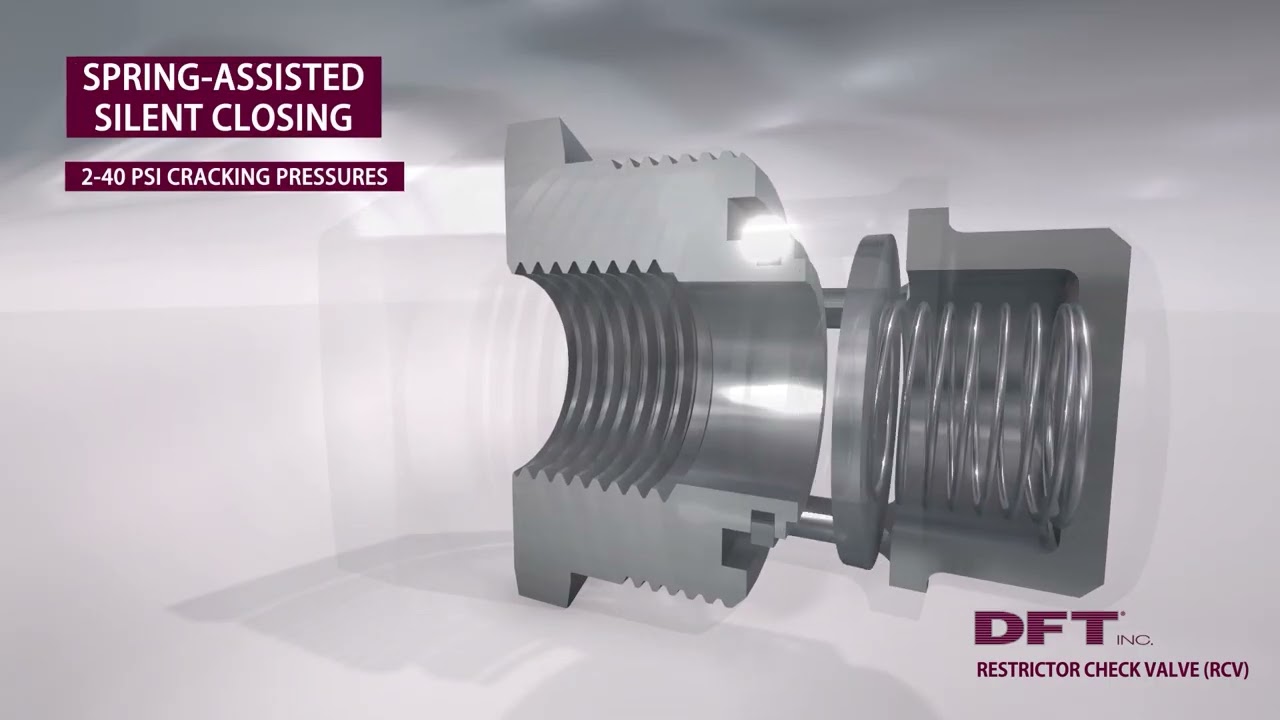
The Restrictor Check Valve ( RCV) is a spring-assisted, non-slam valve used for applications demanding higher cracking pressures.
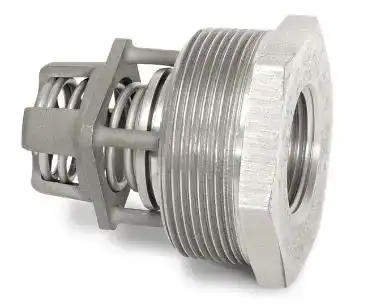
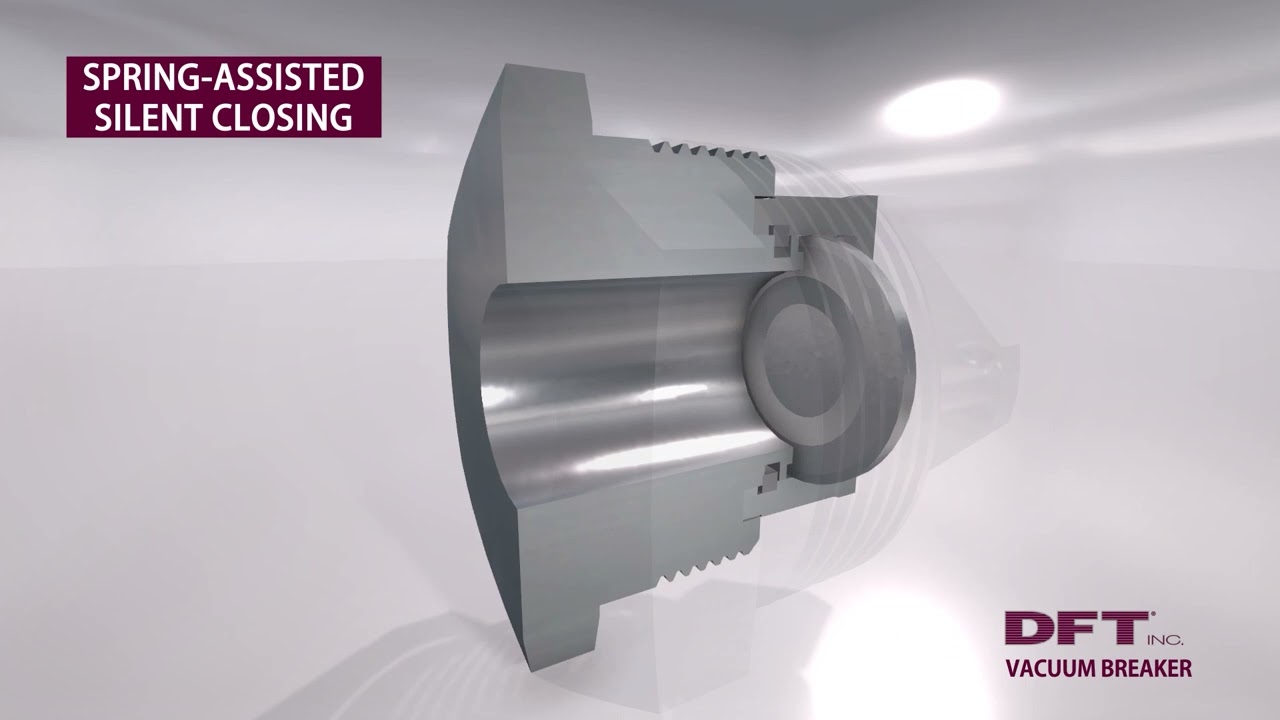
Vacuum Breaker check valves protect against the collapse of pressure vessels, tanks, and rolls while preventing condensate backup when the system is off or the pressure is reduced.
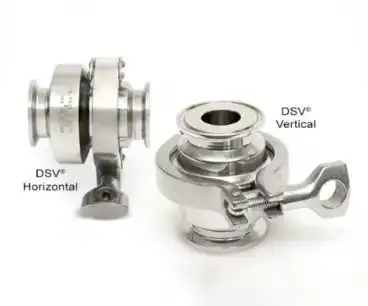
The DSV® sanitary check valves meet 3A standard 58-02 and are used in industries with strict hygiene codes. Available in both vertical and horizontal models.
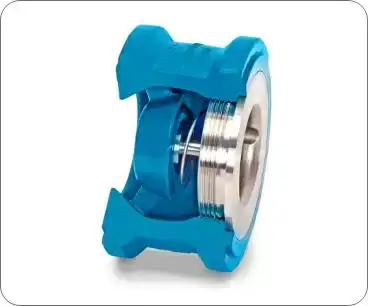
DFT®’s wafer options include ALC®, FBC®, TLW®, WLC®, and WLC® – CAST IRON check valves.
DFT® flanged options include DLC®, Excalibur®, GLC®, GLC® – CAST IRON, and PDC® check valves.
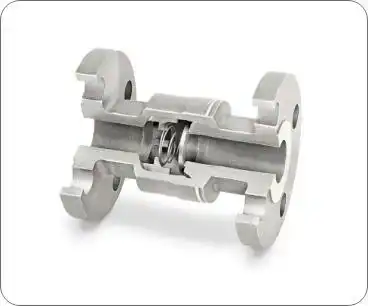
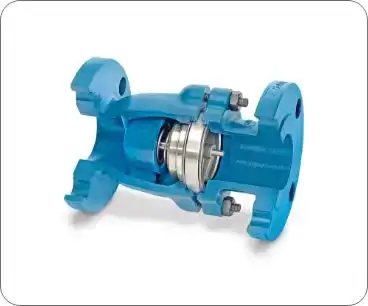
The DFT® SCV® Valve is a versatile all-purpose, non-slam valve that provides reliable, low-maintenance service for a wide range of liquids, steam and gases at various pressure/temperature
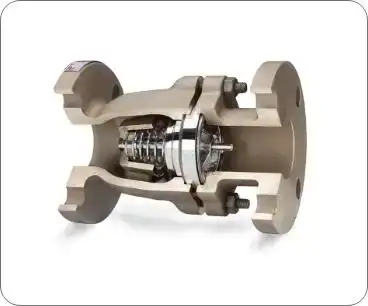
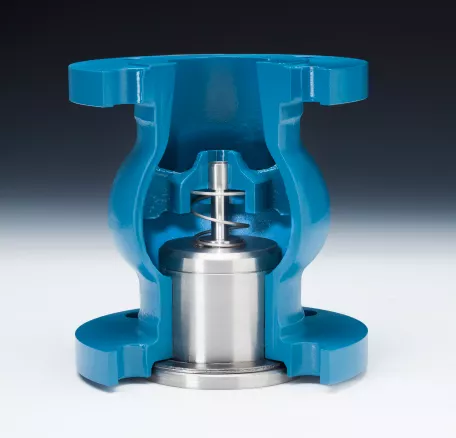
Check valves from DFT® are easy to install and provide a long and reliable service life. Our products are specially designed to prevent water hammer and can be installed in any position. They open at approximately 0.5 Psi differential pressure and fully open at 1.0 Psi differential pressure. Compatible with liquids, gas, and steam, our check valves are available in a wide range of size and style options, with optional soft seats for a bubble-tight shut-off.
Other key features available include:

There are several important considerations involved with check valve selection. To begin the decision-making process, you’ll need to understand your system’s needs. Identify the type of material you’ll be handling, as well as its flow rate, temperature, and pressure. Next, you’ll be ready to select a valve type.
Check valves from DFT® are used throughout many industries. Some of the most common end uses for our products include:

Check valves are installed in HVAC systems as well as in heating and boiler systems to maintain proper flow direction and prevent backflow. They are also used in fire protection systems to ensure one‑way water flow and maintain system readiness.

Check valves in the chemical processing industry prevent backflow that could cause contamination, equipment damage, or hazardous reverse flow in systems handling corrosive or high‑pressure fluids. They also protect pumps, compressors, and reactors by closing automatically during flow reversal, maintaining system integrity and safety.

Food and dairy processing facilities use check valves to prevent reverse flow and maintain strict sanitary standards. Refrigeration and steam lines also rely on them to stop backflow and reduce the risk of water hammer.

Medications and substances that will be ingested must be processed in a sanitary environment without the potential for reverse flow.

Natural gas pipelines require protection against backflow to ensure safe transmission.

Water management systems and slurry pipelines require water hammer prevention for unwanted water backflow and manage any abrasive materials.

Check valves are used in pipelines and wellheads regulate the flow of oil and gas, as well as in refinery processes as a safeguard against reverse flow.

Check valves are used within steam and cooling water systems to protect turbines and also within fuel systems to control liquid and gas flow.

Metal forming hydraulic equipment and the cooling systems within metal manufacturing all require check valves.

Paper pulp processing plants require check valves to maintain proper fluid direction. Water and chemical treatment systems also use these valves to prevent backflow.

The textile industry relies on check valves in fluid flow systems during dyeing and finishing processes.

Water treatment facilities and sewage systems need to protect pumps and stop reverse flow of water and to prevent contamination.
DFT® has over 80 years of experience manufacturing in-line check valves. Today, our extensive product catalog is used globally by a diverse customer base. Instead of merely meeting line size requirements, our products are developed to meet highly specific needs. If you can’t find an ideal off-the-shelf solution, we offer custom engineering services.
DFT® adheres to the most stringent quality requirements and manufacturing industry best practices. We are ISO 9001:15 certified, 3-A certified, and MSS certified to ensure our products are of the highest possible quality.
Posted by DFT Valves on
Check Valve Oversizing: Why Bigger Valves Create Bigger Problems Oversizing a check valve is one of the most common and costly mistakes made during valve selection. While it might seem safer to choose a larger valve, doing so can actually create a chain reaction of performance and reliability issues. When a check valve is larger… Read More

Posted by DFT Valves on
Since its initial development, the check valve has evolved from a classified request from the U.S. Navy to becoming a staple in flow control systems, allowing operators to easily stop reverse flow and water hammer while providing tight metal-to-metal closure. Some of the first all-stainless steel valves were engineered for use with cryogenic liquids and… Read More